When Faith Is Used to Justify Violence: Bangladesh in Focus
In Bangladesh, the roots of fundamentalism, radicalism, and extremism in the name of Islam run deep. Although it is a Muslim-majority nation (with 93% of the population being Muslim), people of diverse religions, races, ethnicities, and sexual identities have coexisted there for generations. Yet, a certain faction seeks to impose Sharia law on these diverse groups. Narratives centered on establishing the faith or instituting an Islamic order often become intertwined with extremism, mass killings, and brutality.
In the context of enforcing Sharia law, those who do not share the faith or who hold dissenting views are killed—often by having their throats slit or by being butchered, with their bodies hacked apart using weapons such as machetes, ramdas (heavy curved blades), and Chinese cleavers.
But why do Muslims in Bangladesh kill people by slitting their throats in this manner?
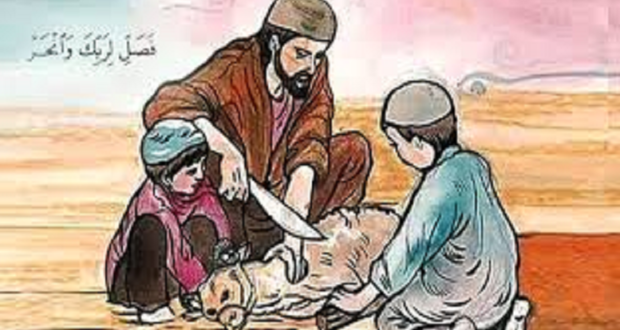
The reason, according to this argument, is that the act of killing has transformed into a form of festival for Muslims. Growing up in the Bangladeshi environment, a Muslim child witnesses the ritual slaughter of animals—such as cows, goats, and camels—during Eid ul-Adha (the Festival of Sacrifice). As the sight of bloodshed becomes associated with religious observance, the act of killing becomes part of the festive experience. Through this ritual of slaughtering animals with sharp knives, the horror of killing and the act of slitting throats become normalized; over time, killing itself becomes habitual.
Consequently, these religious zealots do not hesitate to slaughter human beings, doing so in the name of religion, the establishment of Sharia law, or the suppression of dissenting views.